
A Brief, Glittering History of the Holiday Special
- Dec 28, 2025
- 7 min read
From Radio Waves to Glittering Stages: The Evolution of the Holiday Special
Holiday specials have always been more than seasonal entertainment. Long before algorithms decided what we watch and when, these programs served as cultural punctuation marks—signals that the year was winding down, that it was time to gather, to reflect, to feel something familiar together. What we now think of as “holiday content” began as a shared ritual. And over the decades, as technology reshaped how stories were delivered, that ritual quietly transformed—sometimes expanding, sometimes thinning—until something essential began to slip away.

The Radio Years: When the Season Had a Sound (1920s–1940s)
Before television existed, the holiday season was already a major broadcasting opportunity. In the 1920s and 1930s, radio networks filled their December schedules with live music, church services, dramatic readings, and special episodes of popular shows.
Programs like The Jack Benny Program and Fibber McGee and Molly produced yearly Christmas episodes that blended comedy with sentiment, helping to define what a "holiday special" could be. These broadcasts offered a shared cultural experience at a time when the radio was the central entertainment device in the home.
One of the most influential figures of this era was Guy Lombardo, whose orchestra’s New Year’s Eve radio broadcasts became legendary. His performances often ended with the song “Auld Lang Syne,” helping to cement it as the unofficial anthem of New Year’s Eve in North America. For decades, Lombardo’s smooth, elegant sound defined what many listeners imagined the holiday should feel like.
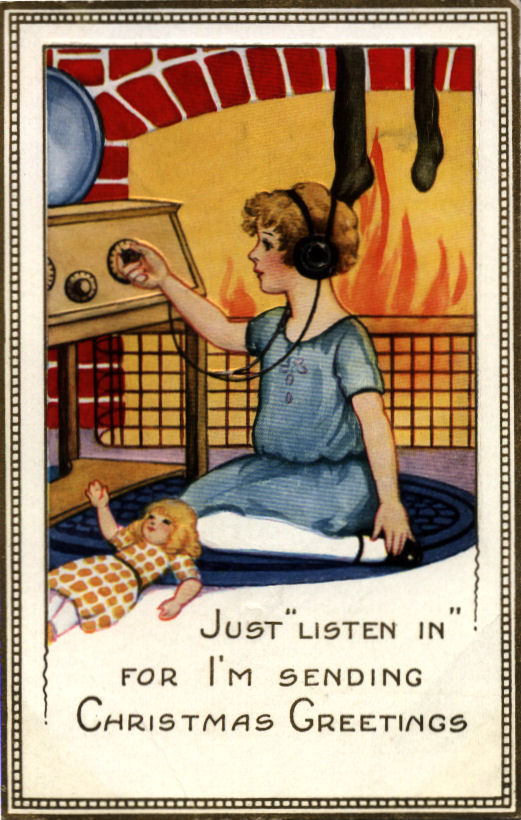
In the early decades of broadcasting, holiday specials weren’t simply something you consumed—they were something you planned around. Families arranged dinners to end on time. Living rooms filled early. There was a collective understanding that if you missed it, it was gone.
This sense of appointment viewing transformed holiday programming into a shared cultural moment. It wasn’t just about what aired, but when it aired—and who you were with when it did. The ritual of gathering mattered as much as the content itself.

Early Television Takes Over (1940s–1960s)
When television became widely available, networks quickly adapted radio’s holiday traditions to the new medium. Live variety shows hosted by well-known performers—Bing Crosby, Perry Como, and others—became staples of December programming.
A major shift occurred in the 1960s with the rise of animated holiday specials. Mister Magoo’s Christmas Carol (1962) was the first notable example, but the real transformation came from Rankin/Bass Productions and their stop-motion “Animagic” style. Their specials, including Rudolph the Red-Nosed Reindeer (1964) and Santa Claus Is Comin’ to Town (1970), quickly became annual rerun traditions and helped cement animation as a defining format for holiday programming.
Television networks began experimenting with live coverage of major events, including gatherings in Times Square, which slowly became the symbolic center of America’s New Year’s countdown. Television allowed viewers not just to hear the celebration, but to see it unfold in real time.

What’s remarkable about mid-century holiday specials is that they didn’t set out to become nostalgic. They were contemporary, even modern for their time. And yet, repetition turned them into emotional landmarks.
Watching the same programs year after year created a strange temporal loop—viewers aged, families changed, but the specials remained frozen in place. Over time, they became less about novelty and more about continuity, offering reassurance through familiarity.

The Variety Show Peak (1960s–1980s)
The mid-century era was dominated by musical variety specials, often centered around stars who already had strong followings. Bing Crosby’s shows became an institution, and Bob Hope’s holiday broadcasts, especially those from his USO tours, reached millions.
Television in this period used the holiday special as a way to showcase celebrity performances in a relaxed format that blended music, comedy sketches, and family-friendly themes. The Carpenters, Donny and Marie Osmond, and Sonny and Cher all contributed to the era’s characteristic style.
These specials presented celebrities differently than their everyday personas. Stars who otherwise felt distant appeared relaxed and playful, singing standards, sharing jokes, and inviting audiences into a softer version of themselves. The result was a paradoxical intimacy—millions watching at once, each viewer feeling personally included.
In 1972, Dick Clark’s New Year’s Rockin’ Eve marked a turning point. Contemporary pop music and youth culture replaced formality, reshaping how the holiday could sound and feel. The celebration became participatory. Crucially, it was live. You had to be there—even if “there” meant your couch.


Cable and Movies Reshape the Tradition (1980s–2000s)
As cable television expanded, the concept of the holiday special broadened. Networks began treating certain films as annual events, including A Charlie Brown Christmas, How the Grinch Stole Christmas! (the 1966 animated version), and A Christmas Story, famously aired for 24 hours straight on TNT and TBS. These became annual rituals, replayed until they felt inseparable from the season itself.
Meanwhile, made-for-TV holiday movies became increasingly common. Lifetime was an early player in the 1990s, followed by the Hallmark Channel in the 2000s, which turned holiday romance into a highly profitable seasonal genre. The emphasis shifted from one-night specials to a slate of holiday-themed programming stretching across several weeks. The season grew longer, but the moments softened. Comfort replaced anticipation. What had once felt urgent began to feel ambient.
Streaming Rewrites the Format (2010s–Present)
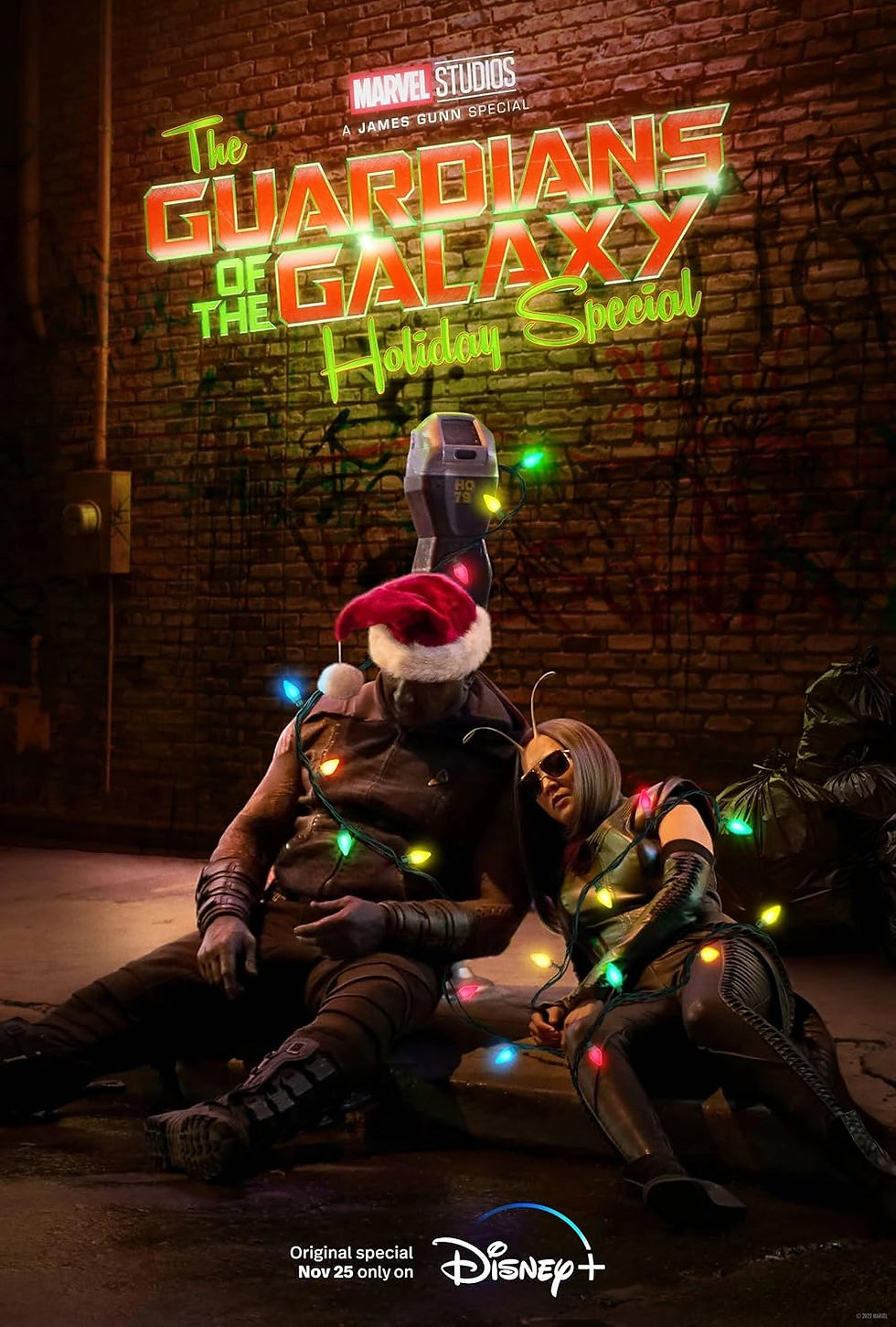
The streaming era has made holiday specials more varied and more targeted. Services like Netflix, Disney+, and Apple TV+ produce both traditional and experimental takes on the format. Some, like A Very Murray Christmas or The Guardians of the Galaxy Holiday Special, lean into celebrity or franchise appeal. Others focus on expanding global representation or reimagining classic properties, as with the Peanuts specials on Apple TV+.
Streaming has also changed viewing habits. Instead of tuning in for a scheduled broadcast, audiences seek out holiday content on their own time, leading to a mix of nostalgia-driven reruns and new releases designed to be watched flexibly.
Even as platforms change, the emotional demand remains the same. Audiences continue to seek out holiday programming not for discovery, but for reassurance - for the feeling of being anchored to something familiar during a fleeting season.
In an era defined by choice and customization, nostalgia offers something rare: a shared emotional reference point. It reminds us that some experiences are better when they’re not optimized or upgraded - but made with the original recipe.

Why Holiday Specials Persist
Despite the shifts in technology and viewing habits, holiday specials continue to endure for a simple reason: they mark the season, and give people something to hang on to. For many viewers, returning to familiar titles has become a yearly ritual, while new specials reflect changing tastes and cultural priorities. What began as a practical programming choice for early radio has grown into a multigenerational tradition that adapts with each new era of media.
Increasingly, that shared feeling is being rediscovered outside the screen. Live spaces—concert halls, theaters, immersive venues—are reintroducing the sense of presence that early holiday specials once offered. In these rooms, the season becomes tangible again. Music resonates differently. Laughter carries. Applause matters. The experience exists only for those who show up, restoring the very scarcity that once made holiday specials feel special. In short - they reintroduce what early holiday specials always provided: presence.
CineVita's Tinselcolor - the Modern Holiday Special

There’s a particular alchemy to Tinselcolor that reveals itself almost immediately. From the moment audiences step inside CineVita’s Spiegeltent, it’s clear this is not simply another seasonal revue—it’s a fully realized holiday experience, meticulously crafted yet effortlessly joyful, reverent of tradition without being bound by it.
Structured like a classic holiday variety special but delivered as a live, immersive event, Tinselcolor unfolds with the ease and confidence of a production that understands its lineage. Iconic songs drawn from beloved films and seasonal touchstones are reimagined through lush orchestration and performed with exceptional vocal precision. The arrangements feel expansive and cinematic, yet intimate enough to register every breath, harmony, and emotional turn.

At the center of the evening is host Joey McIntyre, whose presence anchors the production with warmth, charisma, and a genuine sense of delight. McIntyre brings a relaxed authority to the role—equal parts master of ceremonies and fellow participant—guiding the audience through the evening with an ease that feels personal rather than performative. His rapport with both the cast and the crowd gives the show its connective tissue, reinforcing the sense that this is a shared celebration rather than a presentation at arm’s length.


The ensemble itself is uniformly excellent, showcasing some of Los Angeles’ finest vocalists and musicians. Voices blend seamlessly, soar when needed, and pull back with restraint when intimacy serves the moment better. What stands out most is the collective musicality: this is a cast that listens to one another, responding in real time, creating performances that feel alive rather than rehearsed into rigidity.
Visually, Tinselcolor leans into a refined sense of holiday spectacle. The Spiegeltent’s mirrors, woodwork, and glowing stained glass amplify the production’s design, creating a setting that feels both transportive and grounded. Rather than overwhelming the senses, the staging allows the music to remain front and center, using light, movement, and atmosphere to heighten emotion without distraction. It’s elegant, immersive, and quietly stunning.
What ultimately sets Tinselcolor apart is its understanding of what audiences are actually craving during the holidays. This isn’t nostalgia for nostalgia’s sake. The show doesn’t wink at the past or parody it. Instead, it treats these songs—and the memories attached to them—with care, offering something rare: a holiday experience that feels sincere, communal, and deeply present.

In an era where seasonal content is endlessly available yet increasingly disposable, Tinselcolor restores a sense of occasion. It asks audiences not just to watch, but to show up—to sit together in a room, to feel music resonate through shared space, and to participate in something fleeting by design.
Tinselcolor operates less like a traditional stage production and more like a living holiday broadcast—one that surrounds the audience rather than separating them from it. The result feels both timeless and immediate, honoring the past while insisting on presence. By the time the final notes fade, what lingers isn’t just applause, but a feeling—one that’s hard to define and even harder to manufacture. It’s the sensation of having been part of something momentary and meaningful. A holiday tradition in the making, not because it demands to be repeated, but because it earns its place in memory.

The combination of holiday spirit, blending of old and new, and melding of media formats is exactly why CineVita's Tinselcolor hits those same chords as the holiday specials you grew up with. Bringing familiar songs from iconic movies to the stage (with some of the best singers - like host Joey McInytre - and musicians in LA), it carries on the traditions we love and presents them in a new way to all generations.
For Los Angeles, Tinselcolor doesn’t merely fill a seasonal gap. It quietly asserts itself as the holiday spectacular the city didn’t know it was missing—and now won’t want to let go.
Now in its last few days, there are only a few seats left for the remaining 4 shows (last one on December 30th!) Tickets available here.


I really enjoyed reading this piece—it perfectly captures the nostalgia and evolving charm of holiday specials over the years. It’s fascinating how these one-off shows became such cultural milestones, bringing people together around shared moments of joy and reflection. The way the blog connects classic productions to today’s streaming trends feels so relevant, especially when everyone’s looking for comfort and tradition during busy seasons. Honestly, reading about the behind-the-scenes creativity reminded me how timeless good storytelling can be, no matter the format. On a side note, for students juggling festive distractions and deadlines, balancing entertainment with academics can be tricky—I’ve found that using Law Assignment help from New Assignment Help UK really saves time and ensures you don’t fall behind…
I really enjoyed your post about the history of the holiday special — it’s fascinating to see how this unique TV tradition has evolved over time and become such a memorable part of the festive season. From classic variety shows and musical performances to modern animated specials and themed episodes, holiday programming has given audiences moments that feel both nostalgic and joyful, and it’s interesting to think about why certain specials become cultural touchstones year after year. With ****, it’s clear that holidays like this bring people together through shared stories and entertainment that mark the end of the year with warmth and celebration. I also appreciate how you’ve woven in examples that show the variety and creativity behind these…
I liked the way the article touched on how holiday specials evolved from big, variety-style productions into something more self-aware and sometimes even a bit ironic over time. It made me think about how audiences’ expectations have shifted, and how those older shows probably felt very different when they first aired compared to how we view them now. Looking back on that kind of change almost feels like working through something similar to the Driscoll Model of Reflection—seeing what worked in the past, what didn’t age as well, and how that shapes what comes next. I’m curious if future holiday specials will keep leaning into nostalgia or eventually move in a completely different direction altogether.
The cost of living in Ireland is an important factor for students and professionals planning to move there, especially when it comes to accommodation, daily expenses, and transportation. Having access to clear, well-explained information makes budgeting much easier. Resources shared by platforms like Education Vibes can help readers better understand the real cost of living in Ireland before making decisions.