
Whitley Heights: Hollywood's Jewel
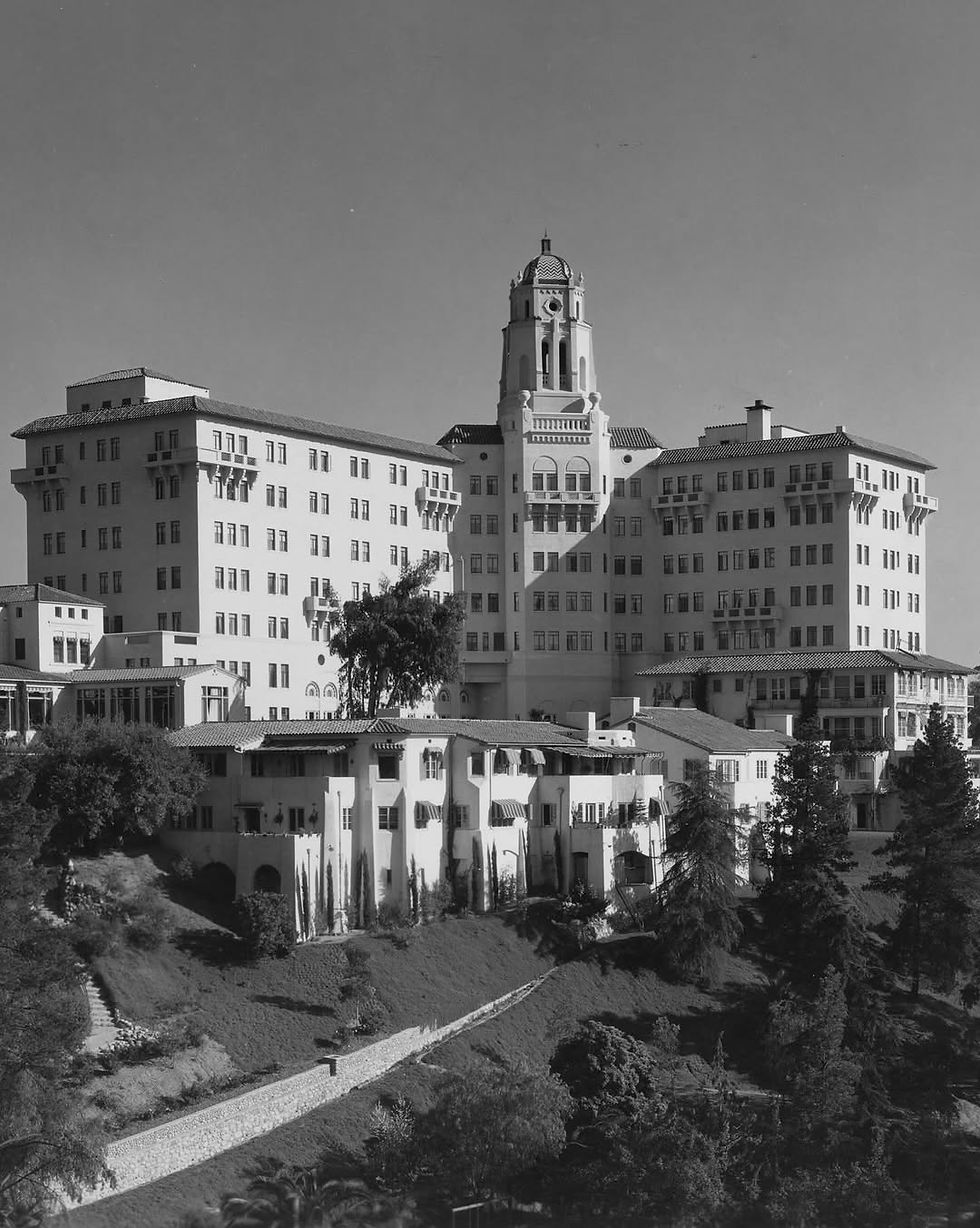
Perched above Hollywood Boulevard, Whitley Heights is one of Los Angeles’ most storied hillside neighborhoods. Developed in the early 1920s by H.J. Whitley—often called the “Father of Hollywood”—the enclave was designed as a Mediterranean-style retreat for the film industry’s rising stars. Winding streets, dramatic staircases, and classic homes gave the area an old-world elegance that stood apart from the growing city below.

H.J. Whitley first saw what would one day become his property while on his honeymoon with his wife in 1886. While they stayed downtown at the Westminster Hotel, Whitley made the trek out to the Cahuenga Pass area and thought the area was ripe for development. It had views, prefect weather, and the area of Hollywood was growing thanks to increased access to LA proper.

It would be another few years until the Whitleys moved out to LA (in the 1890s) from the Midwest where he had successfully developed many communities along the railroads that were stretching west. At first the couple lived in a mansion on Flower Street and opened a store at 111 Spring St. which soon resulted in the Whitleys mingling with the who’s who of Los Angeles. Even though his life and business activities were centered in Los Angeles, Whitley hadn’t forgotten the oasis he had toured out near the Cahuenga Pass years before.

In 1899 he purchased property (including the mansion located on what was then known as Prospect Ave. - now Hollywood Blvd.) of E.C. Hurd. The property boundaries were: Hollywood Blvd. to the south, Cahuenga Ave. to the east, properties on both sides of Highland Ave. and the apex of Highland & Cahuenga to the north. Smack dab in the center of this property would be what would become his prized jewel development: Whitley Heights. In 1903 Whitley’s Los Angeles Pacific Boulevard & Development Co. resubdivided their Hollywood Ocean View Tract. Part of that was subdividing created the Whitley Heights Tract which was recorded on June 12, 1903.

The first structure atop Whitley Heights was a mission-style pavilion. The purpose of this structure was to attract potential buyers - which he did successfully by hosting concerts and even the first Hollywood Easter Sunrise Service (in 1919). Being that Whitley was involved in the railroads coming through the area as well as his ownership of the hulking Hollywood Hotel on the corner of Prospect & Highland (where Ovation Hollywood is today) - he had access to thousands of tourists coming to see this beautiful part of the LA Basin.

While a few initial streets were laid out in the first two decades of the 20th century, the majority of the development of Whitley Heights took place after World War I. At the time he was quoted in the LA Times saying, “Whitley Heights will be my last subdivision. I look upon it as the culmination of a lifetime of development, and frankly, the most beautiful piece of property I ever developed. I have owned and held it about eighteen years with the idea that it should be my last piece of development work.” To help make his vision come true, Whitley hired architect and contractor Arthur S. Barnes to design the homes that were to be built in the subdivision.

By 1920, development had started in earnest. The old band pavilion had been torn down and replaced by one of the first large-scale real estate signs that would eventually dot a few of the hillsides in the area. The Whitley Heights Sign predated the Hollywoodland Sign by three years. Whitley built an impressive Italianate mansion right next to the sign for himself and a house across the street for his daughter Grace.

The film industry, which had moved into Hollywood just about a decade before was exploding and Whitley Heights just so happened to be right at the center of the action. As it was so close to the studios, and was advertised as a slice of Europe just minutes away from the hustle and bustle - Hollywood stars started moving in.

Superstars like Rudolph Valentino, Tyrone Power, Harold Lloyd, and Charlie Chaplin all bought homes in the small enclave. Tour buses would make their way up Whitley Ave. and take starstruck tourists from all over the world down the the narrow, winding, streets to maybe catch a glimpse of their favorite stars.
Development slowed down in the 30s as most of the lots had been developed. Just about a decade later the Hollywood Freeway came through and bisected the neighborhood in two. Whitley Heights' position as a hill separate and south of the Santa Monica Mountains, just at the entrance of the Cahunga Pass, meant that the neighborhood had 360-degree incredible views. But it also made the hill right in the way of any freeway that would need access to the Cahuenga Pass - the best natural cut through between the LA Basin and the San Fernando Valley.

A total of 49 homes were demolished for the 101 which opened in the early 1950s. While the freeway’s arrival was probably the worst period for Whitley Heights in its history, it also galvanized residents to come together. Today the area is an HPOZ (Historic Preservation Overlay Zone), on the National Register of Historic Places, and has two of the oldest civic associations and homeowners associations around.

Today Whitley Heights is a true historic gem. Walking down its winding streets and admiring its glamorous old houses that harken back to Hollywood’s glory days is one of my favorite activities to do on a nice day. In fact, I love the area so much that it was a natural choice to be the first neighborhood I featured in my LA Explained walking tours! Our first tours, which combines Whitley Heights & Hollywood Heights to the west, have been such a hit that we’re adding more dates as we speak which you can find here.




Whitley Heights really does feel like one of Hollywood’s hidden jewels—its history makes a walking tour especially tempting. I’ve been using https://easemate.pro
Trump threatens Erotic Stories new tariffs on European allies over Greenland until deal reached, as thousands protest
Trump threatens Ero me new tariffs on European allies over Greenland until deal reached, as thousands protest
Trump threatens Ιστορίες αγάπης new tariffs on European allies over Greenland until deal reached, as thousands protest
Trump threatens شهوانی new tariffs on European allies over Greenland until deal reached, as thousands protest